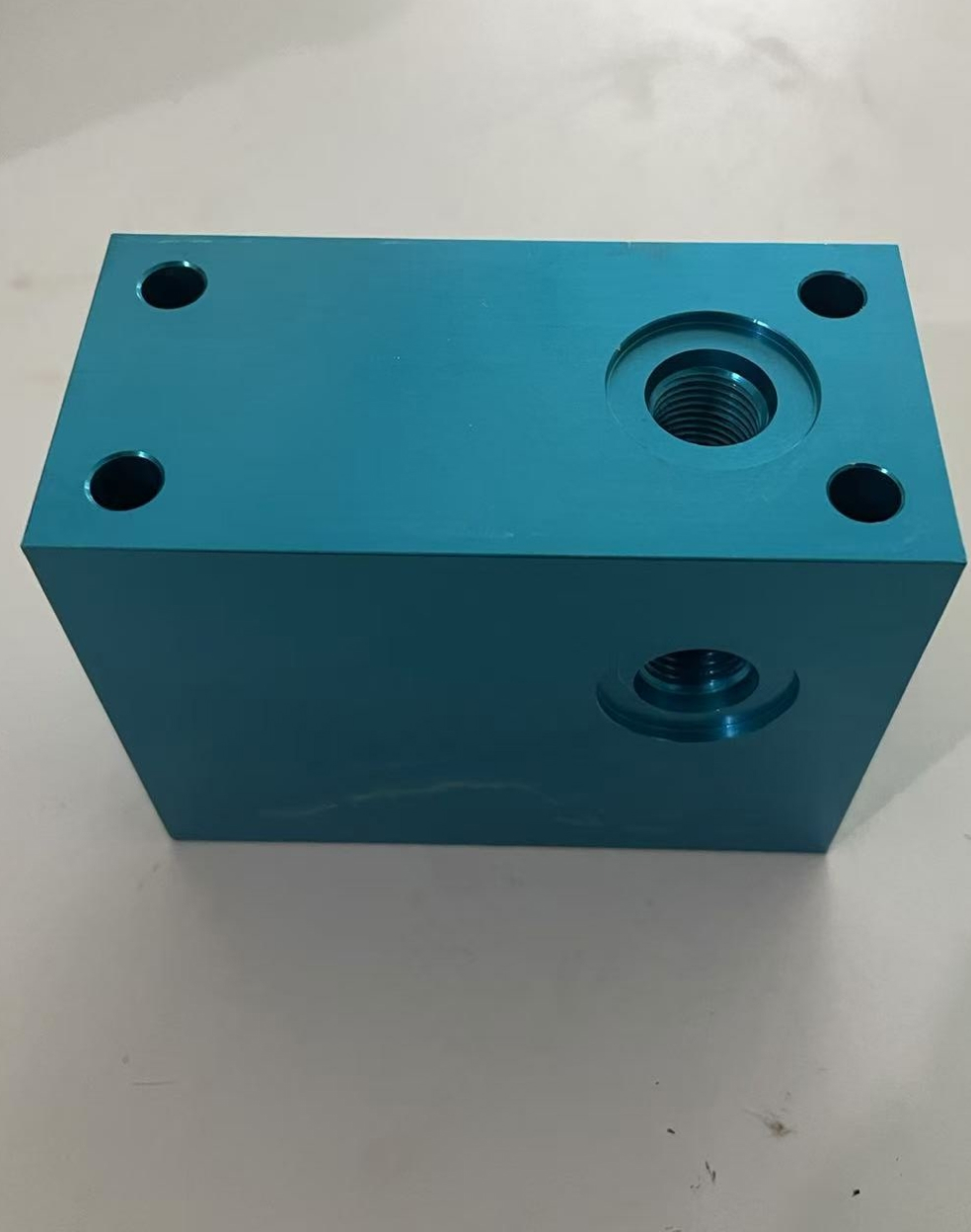
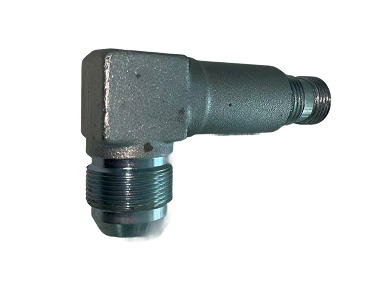
Valves are designed to control the flow of liquids or gases through pipes or other systems by opening, closing, or partially obstructing the flow. Mechanical valves are commonly used in various industries, including plumbing, automotive, and industrial applications.
Examples of mechanical valves we make include:
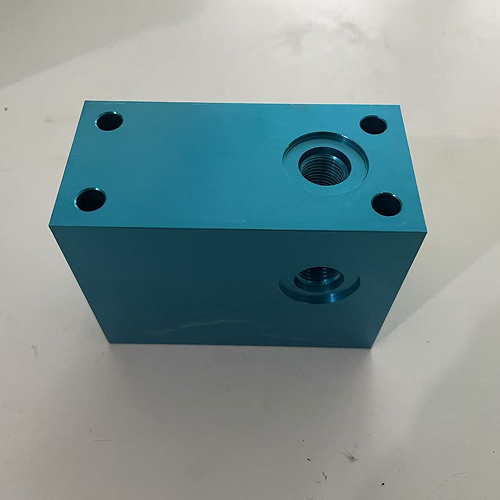
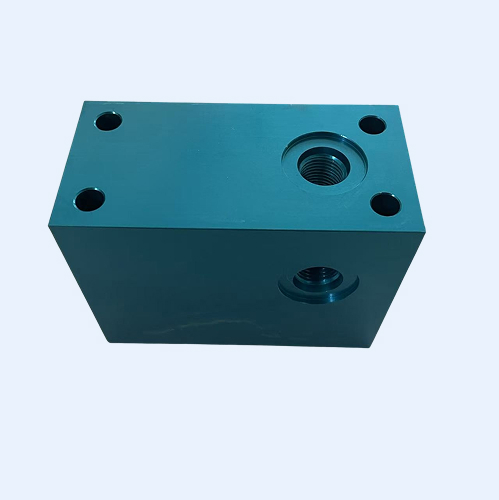
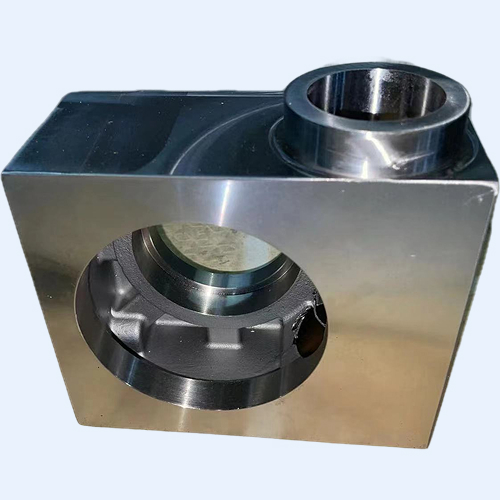
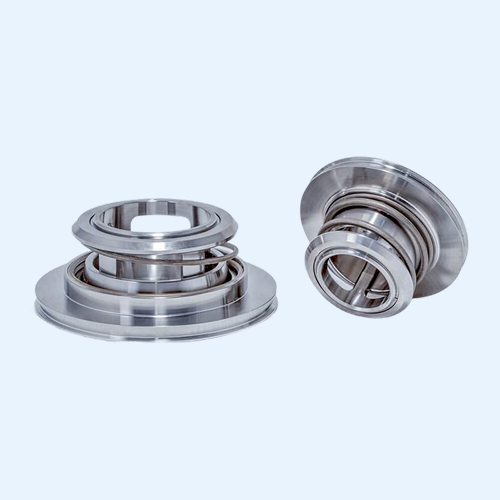
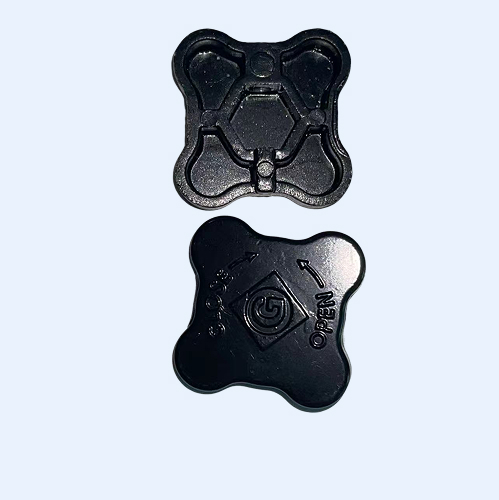
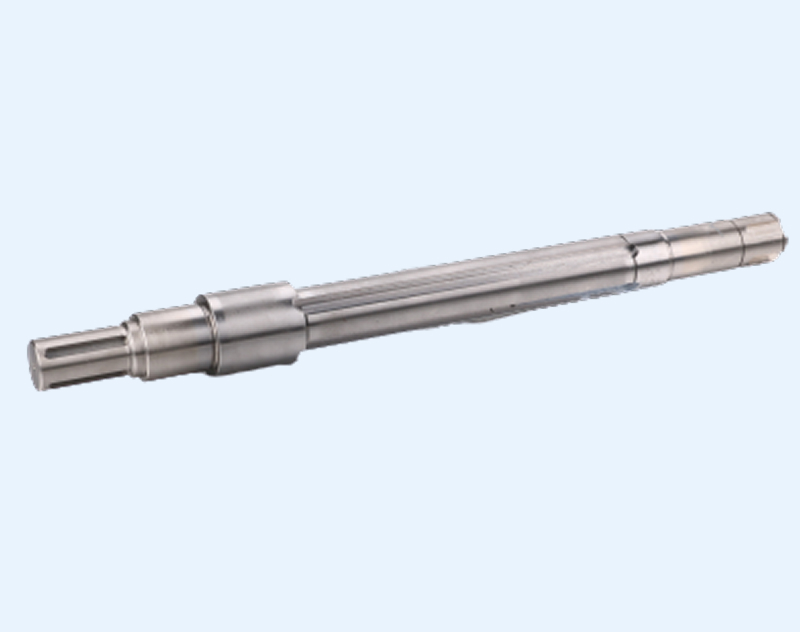
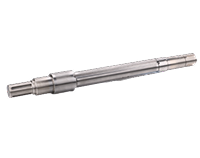
A mechanical shaft is a cylindrical rod or bar used in machines to transmit power and rotational motion. It serves as a key component in various mechanical systems and is often connected to gears, pulleys, wheels, or other components to transfer torque from one part of a machine to another. They can come in different designs, like solid shafts, hollow shafts, or stepped shafts, depending on the specific requirements of the system.
Common examples of mechanical shafts include:
.png)
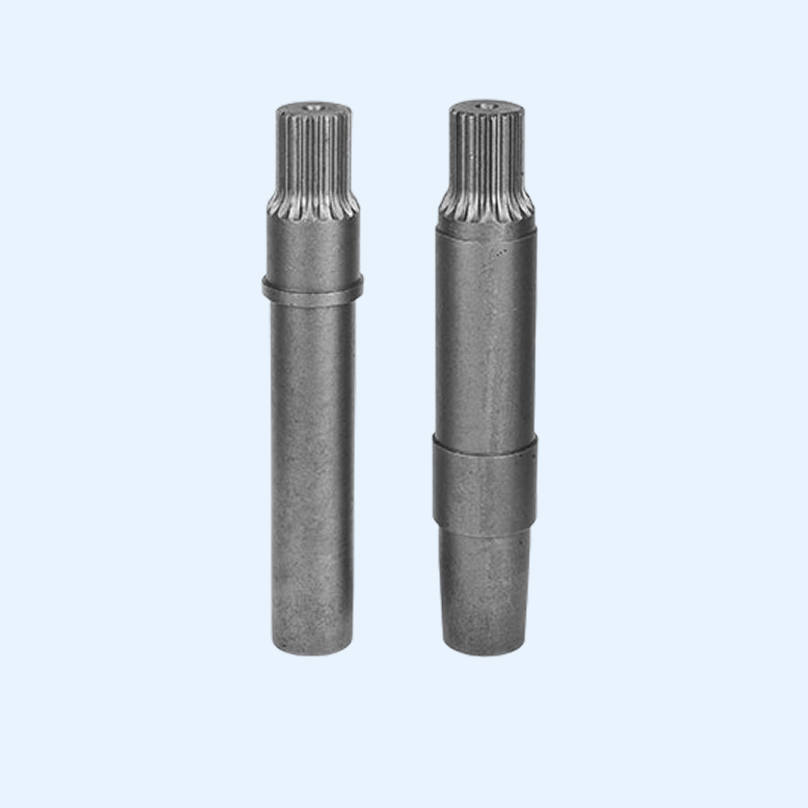
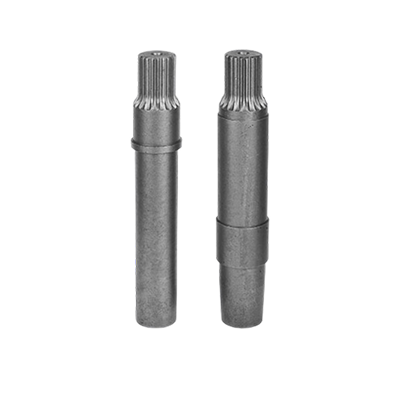
A mechanical pin is a small, cylindrical fastener used to hold two or more parts together, often in a mechanical or structural assembly. It is used in various applications to connect components or to allow controlled movement between them.
Types of mechanical pins:
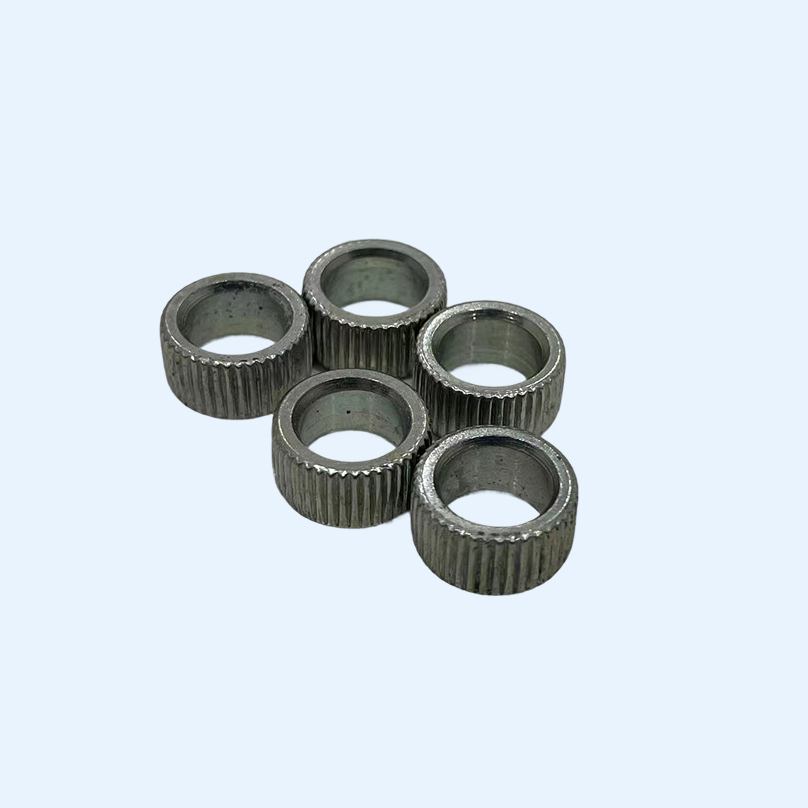
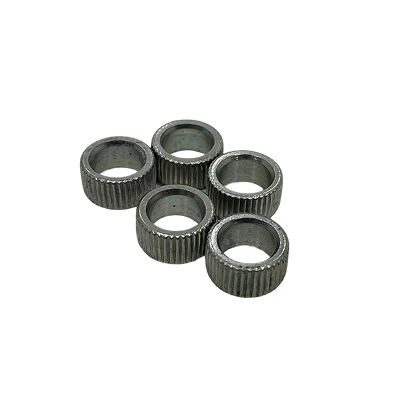
A compression limiter is a device or component used in mechanical systems to restrict or control the amount of compression applied to a particular part, preventing it from being compressed beyond a certain limit. It ensures that the system operates within safe limits and prevents damage caused by excessive compression forces.
Compression limiters are commonly used in various applications, such as:
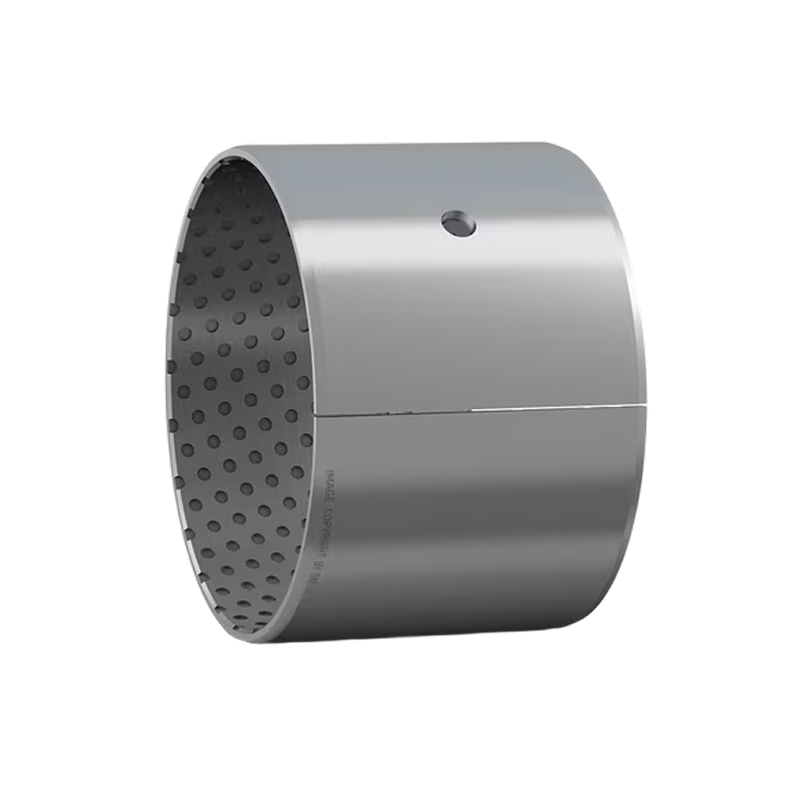
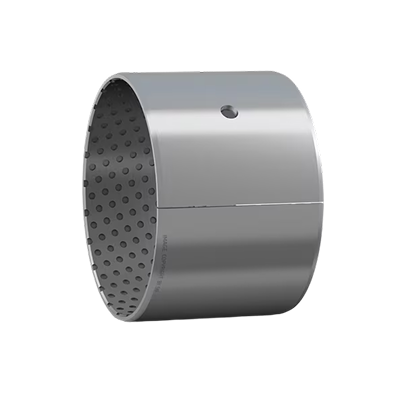
A mechanical bushing is a type of mechanical component used to reduce friction, wear, and vibration in rotating or sliding parts within machinery or mechanical systems. It typically serves as a sleeve or lining that fits into a housing or around a shaft to provide a smooth surface for components to move against. Bushings help protect the system by minimizing direct contact between metal parts and allowing for more efficient motion.
Mechanical bushings are found in a wide variety of applications, such as:
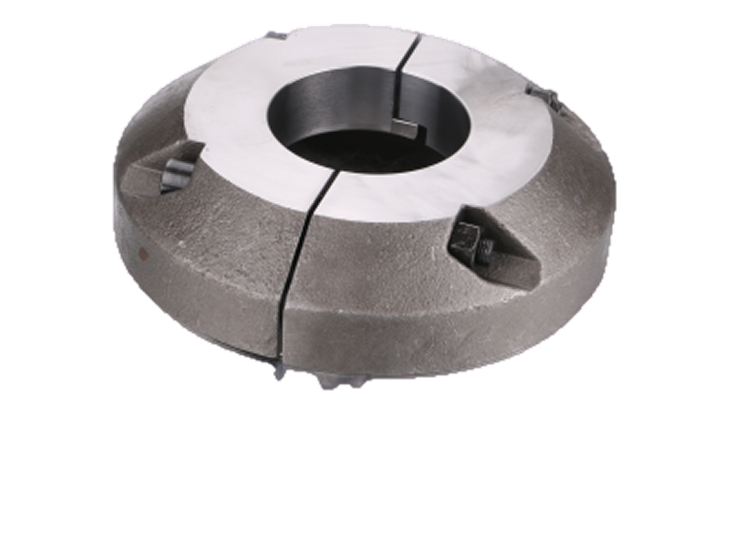
A mechanical clamp is a device used to hold, secure, or fasten two or more objects together tightly, often during a work process such as assembly, welding, machining, or maintenance. Clamps apply a strong and controlled force to hold parts in position and are commonly used in mechanical, industrial, and construction applications. They are designed to prevent movement and ensure that components stay aligned during work.
Common types of mechanical clamps include:
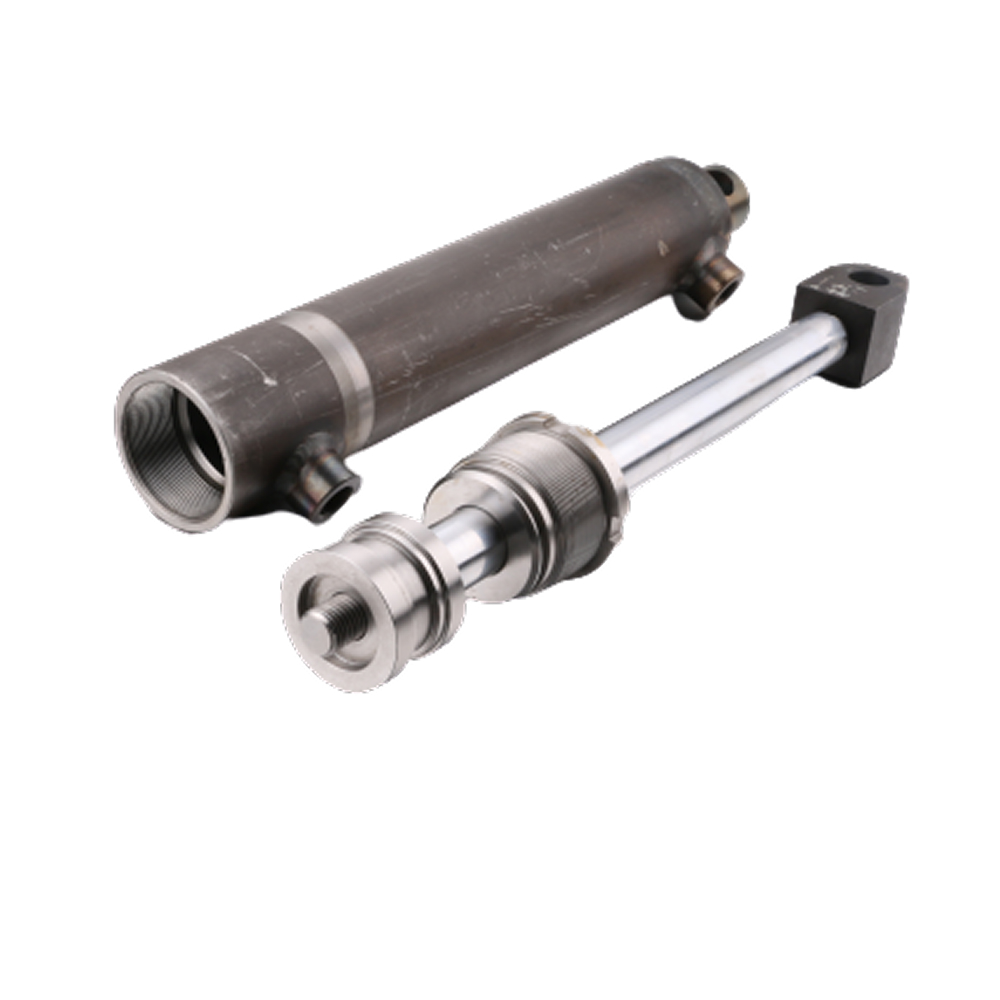
Mechanical cylinders are found in numerous applications, including machinery, automotive systems, and industrial equipment. They are used in braking systems and machines requiring significant force to move heavy load.
There are two main types of mechanical cylinders:
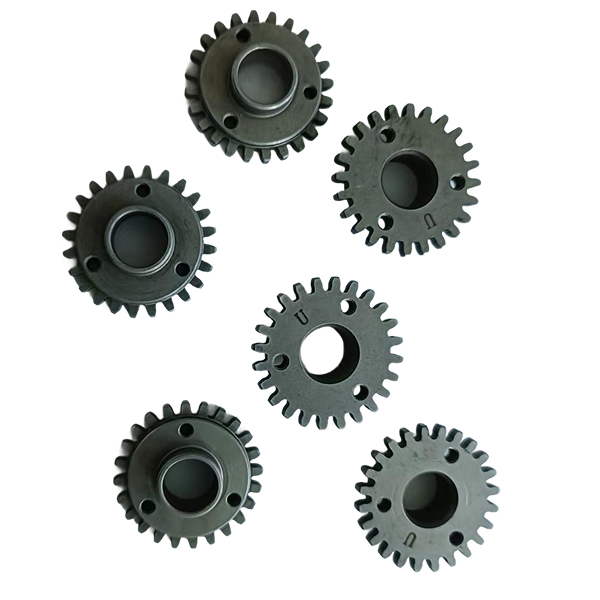
A sprocket is a mechanical component used to transfer rotary motion between two shafts through a chain. It has teeth that mesh with the links of a chain, allowing the sprocket to drive the chain, or vice versa. Sprockets are commonly used in systems that require the transmission of power, such as bicycles, motorcycles, conveyor belts, and industrial machines.
Examples of sprockets based on how they engage with the chain:
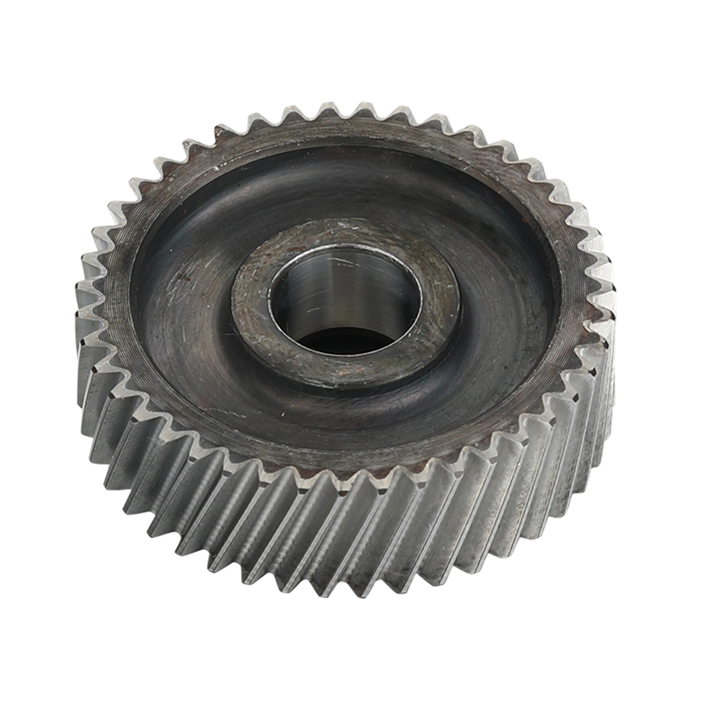
A mechanical gear is a toothed wheel or cylinder that meshes with another gear or component to transmit rotary motion and torque. Gears are critical in providing precise, efficient, and reliable motion control, and their design depends on the specific mechanical requirements, including the type of motion, torque, and speed needed in the system. Often used in automotive, machinery, robotics, electronics industriesand more.
Examples of gears we make include:
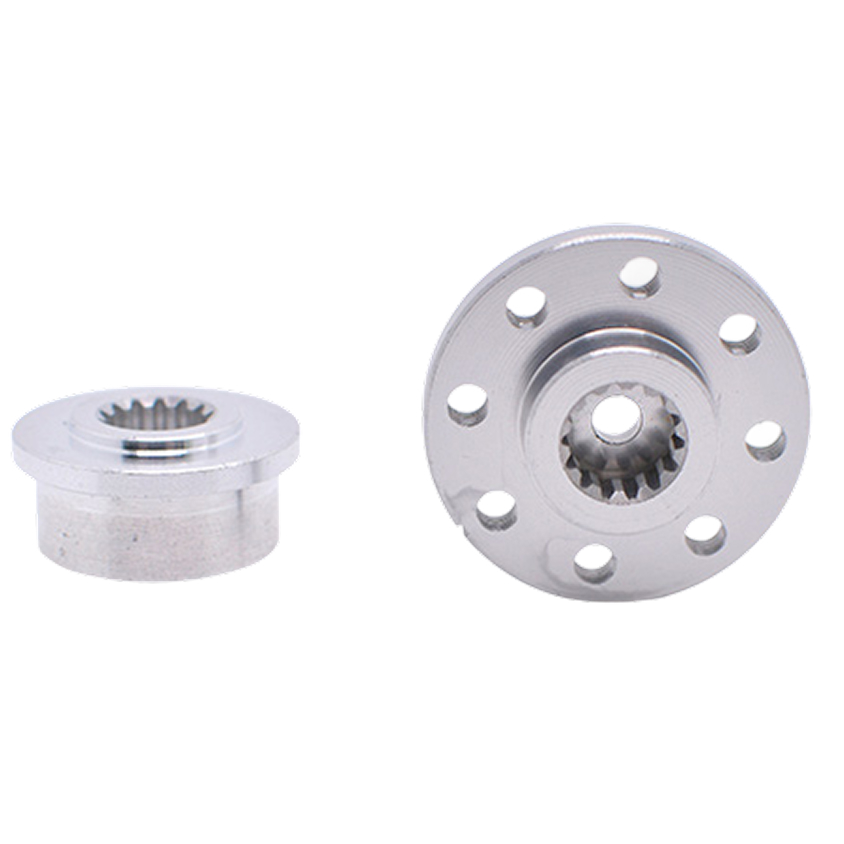
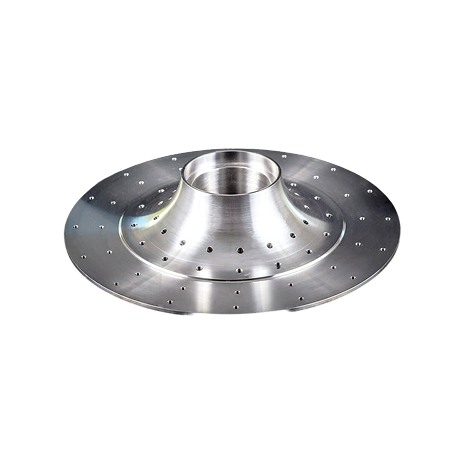
A flange is a mechanical component used to connect, secure, or seal two parts, typically pipes, valves, or machinery, together. It is a flat or raised ring, usually made of metal, that allows for the attachment of two components with bolts, nuts, and sometimes gaskets, ensuring a strong, leak-proof connection.
Examples of flanges we make include:
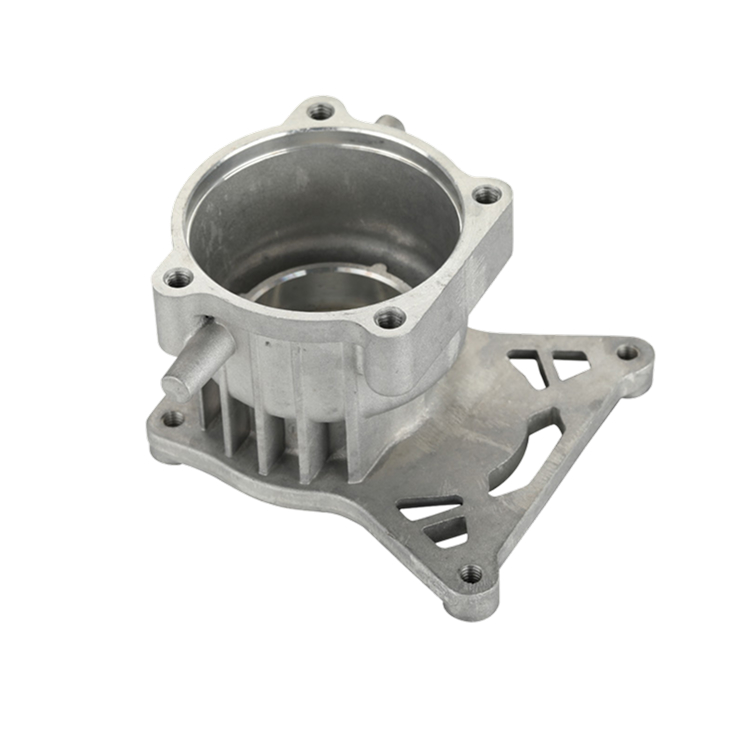
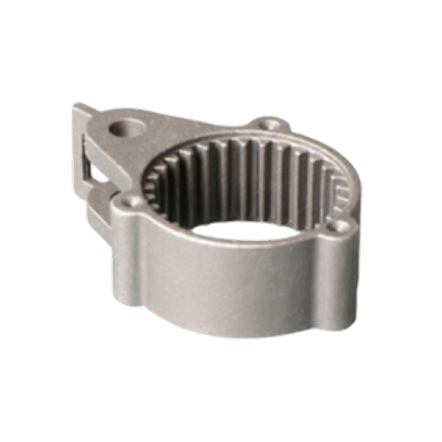
A mechanical housing is a protective casing or enclosure used to contain and support mechanical components or systems. It serves several functions, such as protecting the internal components from external elements (dust, moisture, and physical damage), providing structural support, and sometimes aiding in heat dissipation.
Examples of mechanical housings we make include:
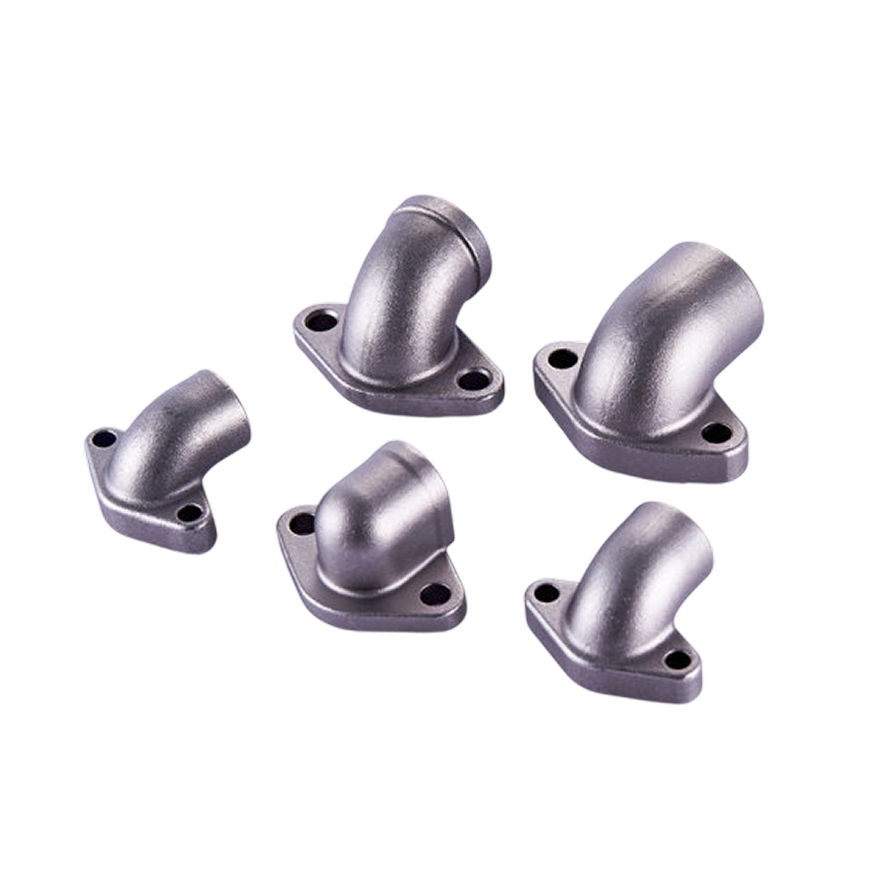
A manifold is a mechanical device used to distribute, collect, or direct the flow of fluids (liquids, gases, or air) within a system. It typically features multiple connections or ports that allow for the distribution or collection of fluid to and from various parts of a system. Manifolds are commonly used in fluid and gas systems, including hydraulic, pneumatic, and plumbing systems, to ensure that fluid or air is directed efficiently.
Examples of manifolds we make include:
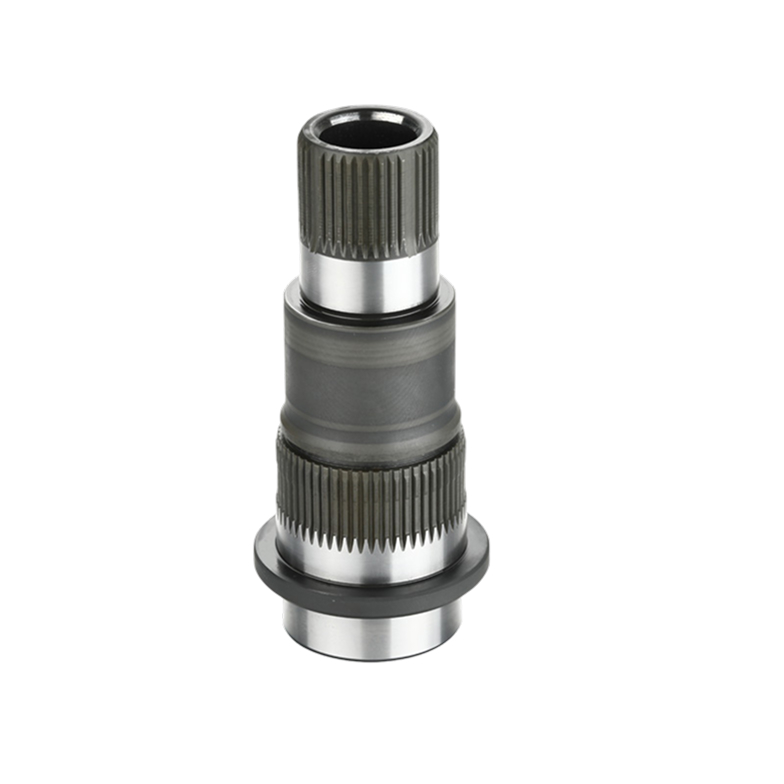
A spindle is a rotating component commonly used in machinery to support, drive, or hold workpieces or tools in place. Spindles play a crucial role in transmitting rotational motion and torque to various parts of a machine, making them an essential component in many manufacturing, machining, and engineering systems.
Examples of spindles we make include:
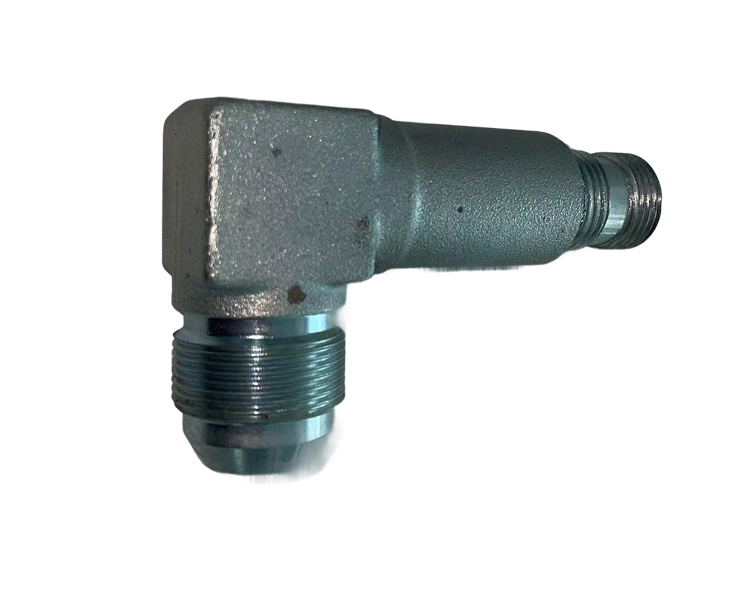
A mechanical connector is a device used to join or connect two or more mechanical parts together in a secure and stable manner. These connectors are commonly used in various industries, including construction, automotive, aerospace, and manufacturing, to ensure that different components work together efficiently. Mechanical connectors can take many forms, depending on the application and the types of materials being joined.
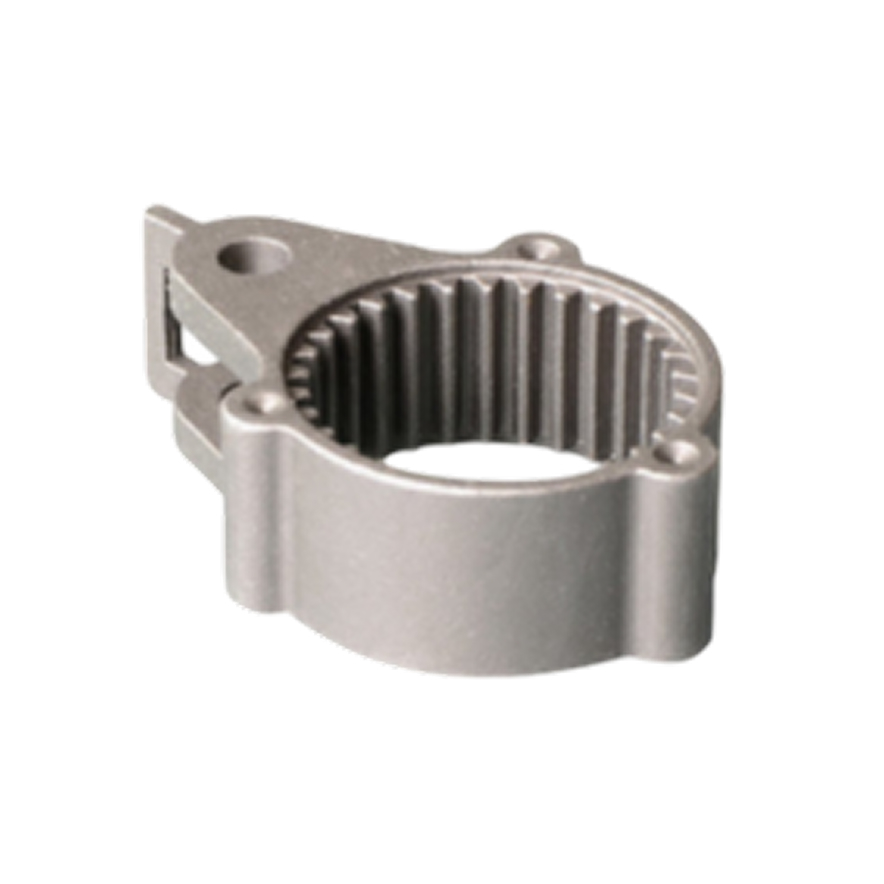
A metal or resin fitting used to strengthen machine components or connect different parts, acting as an intermediate component to fix one part to another
Brackets are used for a wide range of applications, such as:
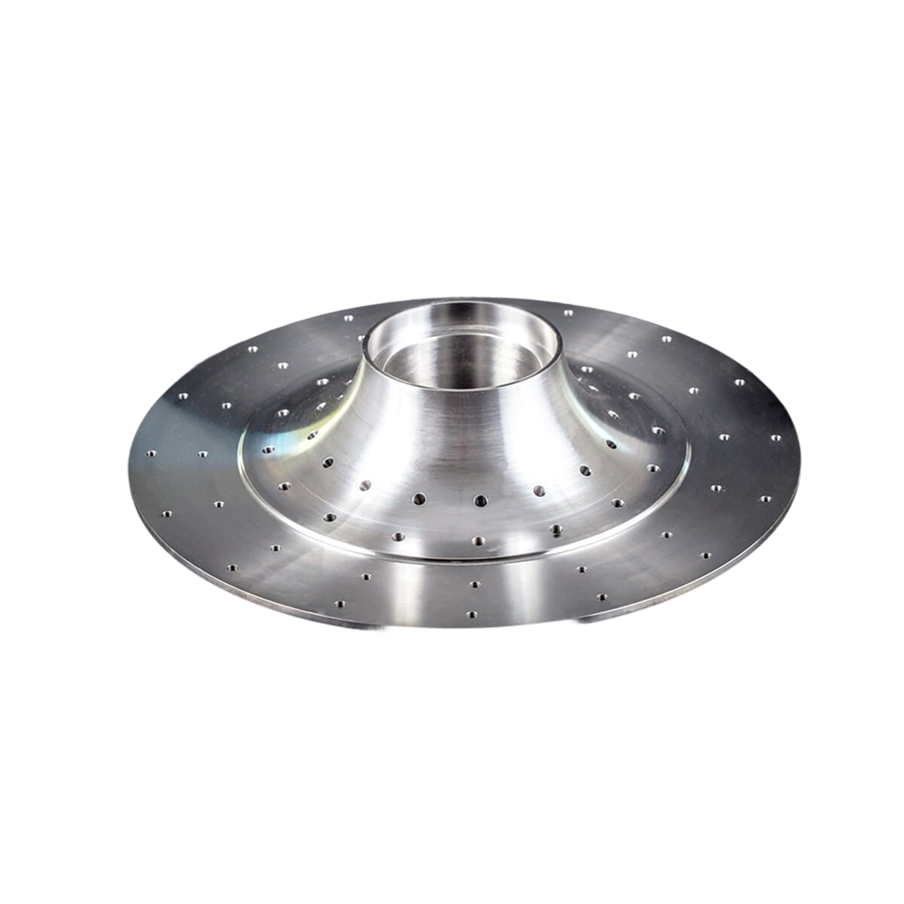
A hub is the central part of a rotating component like a wheel, propeller, or fan, through which the axle passes, serving as a connecting point and allowing for the transmission of torque and power.
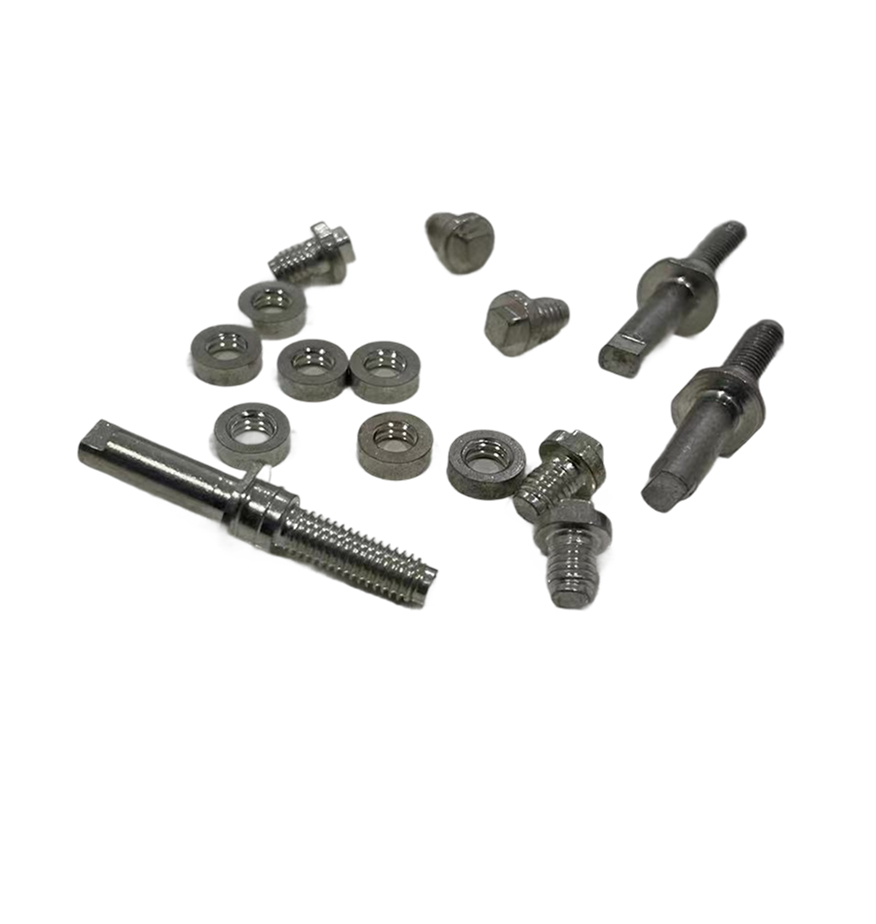
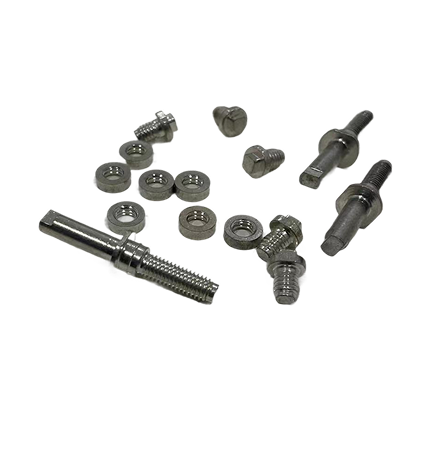
A fastener is a device, like a bolt, screw, or rivet, used to join or secure two or more objects together using mechanical means, often allowing for disassembly without damaging the joined components.
Mechanical fasteners are widely used in various industries, including construction, manufacturing, automotive, and aerospace, for joining metal, wood, and plastic components
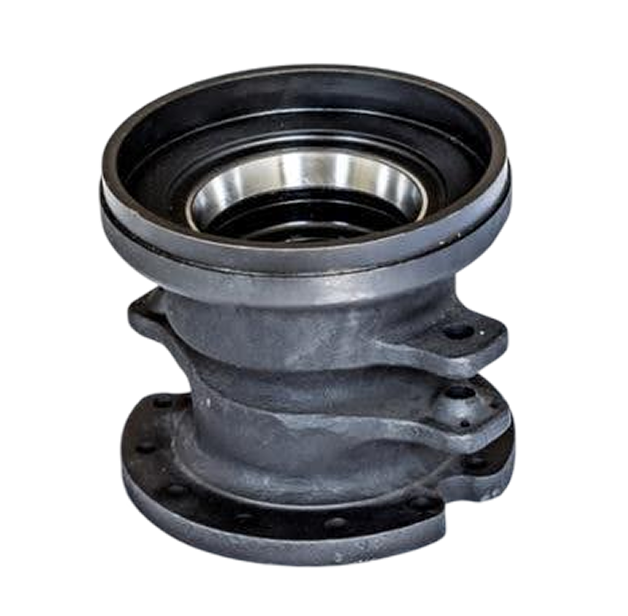
Part Name
Heavy Duty Pivot for Vehicles
Part Size
φ250X230mm
Processing Focus
Casting blanks, parts after salt bath nitriding to ensure that the tolerance of the bore ± 0.0127mm, Position tolerance 0.0127mm, the parts need to be X- ray detection.
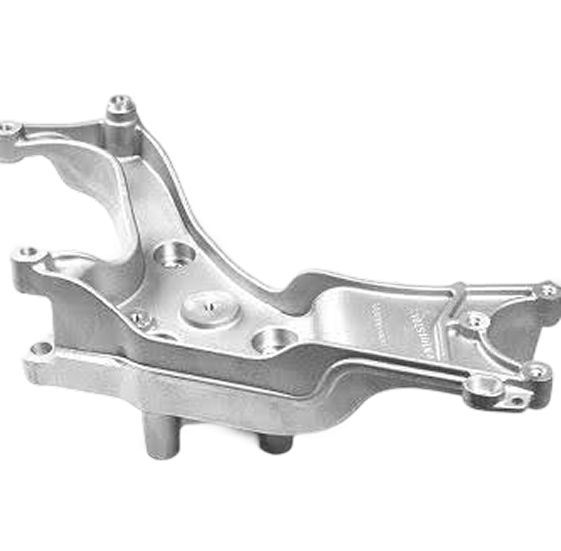
Part Name
Car bracket
Part Size
500X200X100mm
Processing Focus
aluminum die casting, completed by CNC machining
Part Name
Heavy Duty Pivot for Vehicles
Part Size
φ250X230mm
Processing Focus
Casting blanks, parts after salt bath nitriding to ensure that the tolerance of the bore ± 0.0127mm, Position tolerance 0.0127mm, the parts need to be X- ray detection.
Part Name
Car bracket
Part Size
500X200X100mm
Processing Focus
aluminum die casting, completed by CNC machining
Part Name
Heavy Duty Pivot for Vehicles
Part Size
φ250X230mm
Processing Focus
Casting blanks, parts after salt bath nitriding to ensure that the tolerance of the bore ± 0.0127mm, Position tolerance 0.0127mm, the parts need to be X- ray detection.
Part Name
Car bracket
Part Size
500X200X100mm
Processing Focus
aluminum die casting, completed by CNC machining
Part Name
Heavy Duty Pivot for Vehicles
Part Size
φ250X230mm
Processing Focus
Casting blanks, parts after salt bath nitriding to ensure that the tolerance of the bore ± 0.0127mm, Position tolerance 0.0127mm, the parts need to be X- ray detection.
Part Name
Car bracket
Part Size
500X200X100mm
Processing Focus
aluminum die casting, completed by CNC machining
Part Name
Heavy Duty Pivot for Vehicles
Part Size
φ250X230mm
Processing Focus
Casting blanks, parts after salt bath nitriding to ensure that the tolerance of the bore ± 0.0127mm, Position tolerance 0.0127mm, the parts need to be X- ray detection.
Part Name
Car bracket
Part Size
500X200X100mm
Processing Focus
aluminum die casting, completed by CNC machining
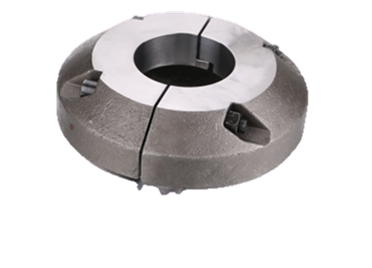
Part Name
Heavy Duty Pivot for Vehicles
Part Size
φ250X230mm
Processing Focus
Casting blanks, parts after salt bath nitriding to ensure that the tolerance of the bore ± 0.0127mm, Position tolerance 0.0127mm, the parts need to be X- ray detection.
Part Name
Car bracket
Part Size
500X200X100mm
Processing Focus
aluminum die casting, completed by CNC machining
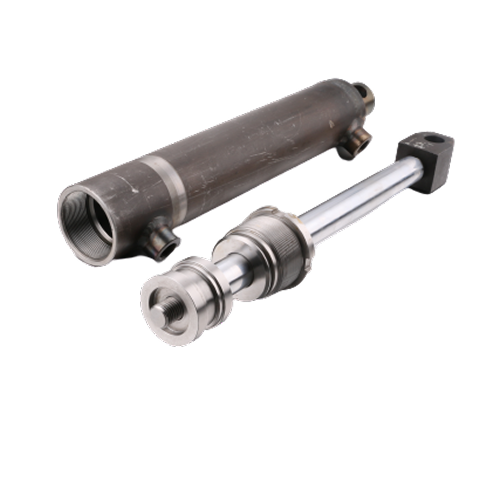
Part Name
Heavy Duty Pivot for Vehicles
Part Size
φ250X230mm
Processing Focus
Casting blanks, parts after salt bath nitriding to ensure that the tolerance of the bore ± 0.0127mm, Position tolerance 0.0127mm, the parts need to be X- ray detection.
Part Name
Car bracket
Part Size
500X200X100mm
Processing Focus
aluminum die casting, completed by CNC machining
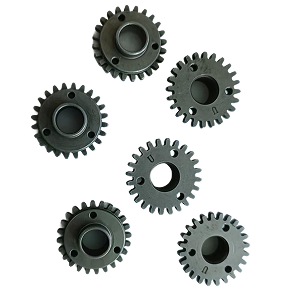
Part Name
Heavy Duty Pivot for Vehicles
Part Size
φ250X230mm
Processing Focus
Casting blanks, parts after salt bath nitriding to ensure that the tolerance of the bore ± 0.0127mm, Position tolerance 0.0127mm, the parts need to be X- ray detection.
Part Name
Car bracket
Part Size
500X200X100mm
Processing Focus
aluminum die casting, completed by CNC machining
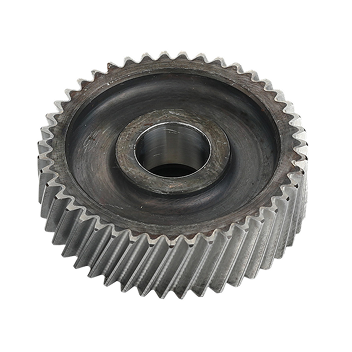
Part Name
Heavy Duty Pivot for Vehicles
Part Size
φ250X230mm
Processing Focus
Casting blanks, parts after salt bath nitriding to ensure that the tolerance of the bore ± 0.0127mm, Position tolerance 0.0127mm, the parts need to be X- ray detection.
Part Name
Car bracket
Part Size
500X200X100mm
Processing Focus
aluminum die casting, completed by CNC machining
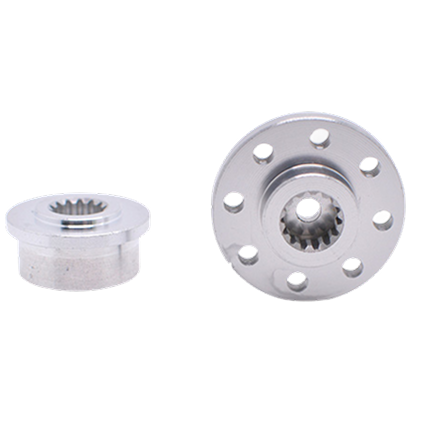
Part Name
Heavy Duty Pivot for Vehicles
Part Size
φ250X230mm
Processing Focus
Casting blanks, parts after salt bath nitriding to ensure that the tolerance of the bore ± 0.0127mm, Position tolerance 0.0127mm, the parts need to be X- ray detection.
Part Name
Car bracket
Part Size
500X200X100mm
Processing Focus
aluminum die casting, completed by CNC machining
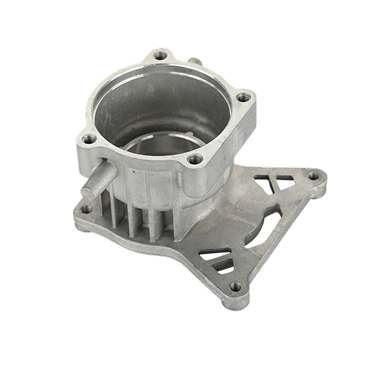
Part Name
Heavy Duty Pivot for Vehicles
Part Size
φ250X230mm
Processing Focus
Casting blanks, parts after salt bath nitriding to ensure that the tolerance of the bore ± 0.0127mm, Position tolerance 0.0127mm, the parts need to be X- ray detection.
Part Name
Car bracket
Part Size
500X200X100mm
Processing Focus
aluminum die casting, completed by CNC machining
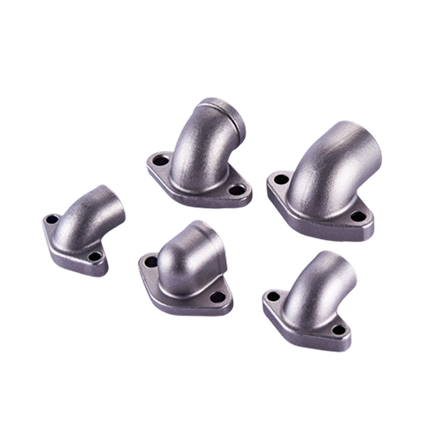
Part Name
Heavy Duty Pivot for Vehicles
Part Size
φ250X230mm
Processing Focus
Casting blanks, parts after salt bath nitriding to ensure that the tolerance of the bore ± 0.0127mm, Position tolerance 0.0127mm, the parts need to be X- ray detection.
Part Name
Car bracket
Part Size
500X200X100mm
Processing Focus
aluminum die casting, completed by CNC machining
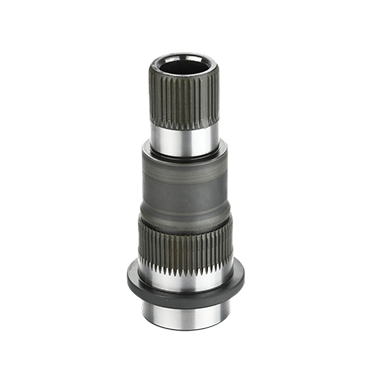
Part Name
Heavy Duty Pivot for Vehicles
Part Size
φ250X230mm
Processing Focus
Casting blanks, parts after salt bath nitriding to ensure that the tolerance of the bore ± 0.0127mm, Position tolerance 0.0127mm, the parts need to be X- ray detection.
Part Name
Car bracket
Part Size
500X200X100mm
Processing Focus
aluminum die casting, completed by CNC machining
Part Name
Heavy Duty Pivot for Vehicles
Part Size
φ250X230mm
Processing Focus
Casting blanks, parts after salt bath nitriding to ensure that the tolerance of the bore ± 0.0127mm, Position tolerance 0.0127mm, the parts need to be X- ray detection.
Part Name
Car bracket
Part Size
500X200X100mm
Processing Focus
aluminum die casting, completed by CNC machining
Part Name
Heavy Duty Pivot for Vehicles
Part Size
φ250X230mm
Processing Focus
Casting blanks, parts after salt bath nitriding to ensure that the tolerance of the bore ± 0.0127mm, Position tolerance 0.0127mm, the parts need to be X- ray detection.
Part Name
Car bracket
Part Size
500X200X100mm
Processing Focus
aluminum die casting, completed by CNC machining
Part Name
Heavy Duty Pivot for Vehicles
Part Size
φ250X230mm
Processing Focus
Casting blanks, parts after salt bath nitriding to ensure that the tolerance of the bore ± 0.0127mm, Position tolerance 0.0127mm, the parts need to be X- ray detection.
Part Name
Car bracket
Part Size
500X200X100mm
Processing Focus
aluminum die casting, completed by CNC machining
Part Name
Heavy Duty Pivot for Vehicles
Part Size
φ250X230mm
Processing Focus
Casting blanks, parts after salt bath nitriding to ensure that the tolerance of the bore ± 0.0127mm, Position tolerance 0.0127mm, the parts need to be X- ray detection.
Part Name
Car bracket
Part Size
500X200X100mm
Processing Focus
aluminum die casting, completed by CNC machining
Website by C H Y K A L O P H I A


